
Practical eTIMS guidance checked against official sources.How Risiti reviews guides
IndustryRisiti guide

eTIMS for Pharmacies and Chemists in Kenya

Plan pharmacy eTIMS invoicing around item setup, tax treatment, supplier records, receipts and daily transaction controls.

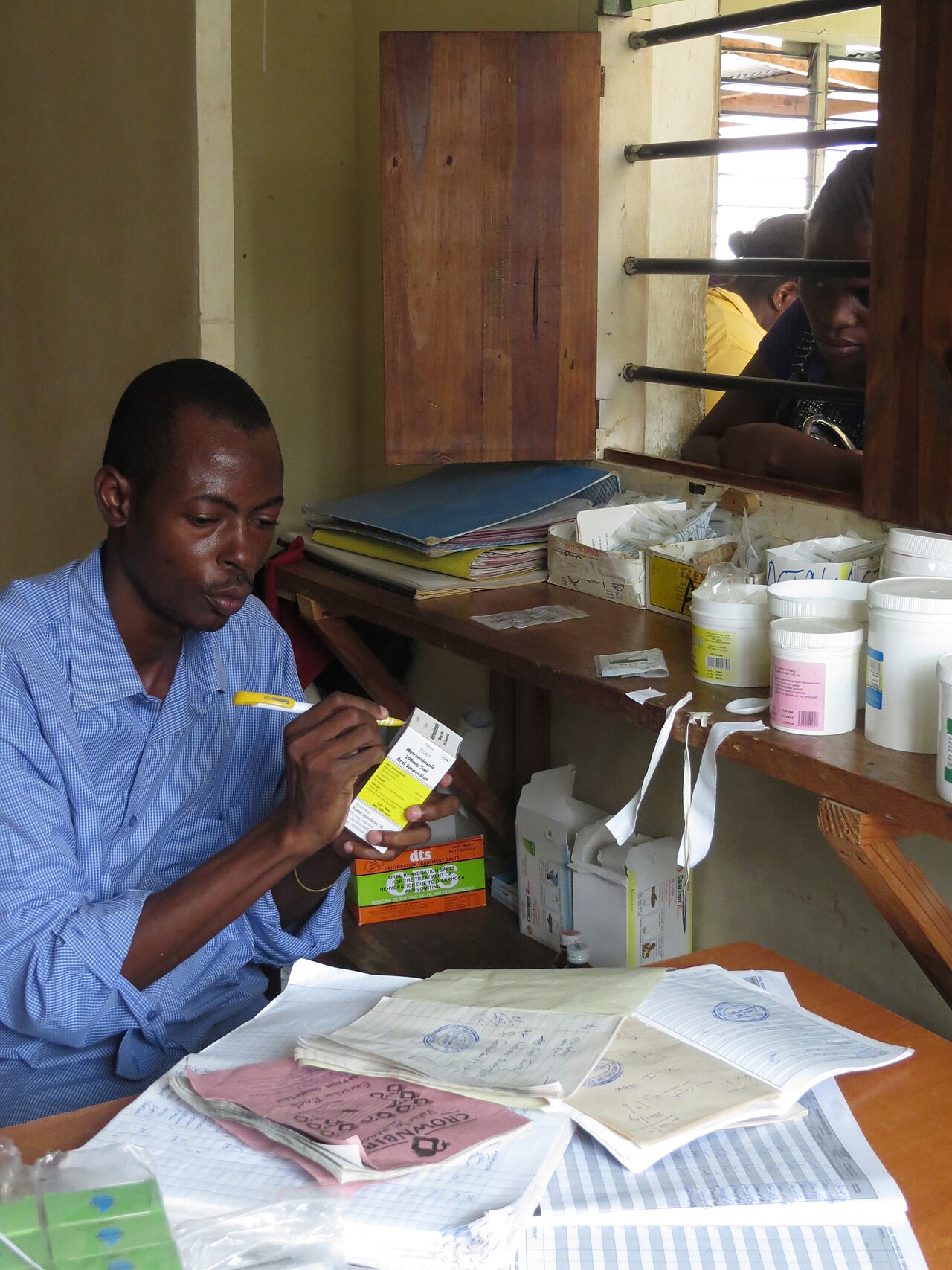
A pharmacy technologist preparing medicine in Mombasa, Kenya
Photo: President's Malaria Initiative / USAID Kenya (public domain)
Industry Guide5 min read · Updated April 2026

Short answer: Pharmacies should confirm the eTIMS route and tax treatment that apply to their taxpayer profile and supplies. Purchase records from distributors also need careful verification. Risiti provides invoice issuing, accepted receipt records and supplier-compliance workflows, but it does not decide whether a particular expense is deductible.

Why eTIMS Matters Specifically for Pharmacies

Most businesses focus on the obligation to issue eTIMS receipts. Pharmacies have a second, often more expensive compliance problem: the receipts they receive from suppliers.

Pharmacies and chemists often buy drugs, medical supplies and health products from several distributors. Electronic-invoice evidence can matter when KRA reviews a purchase, but deductibility still depends on current law, exclusions and the facts of the expense.

The practical response is to request the applicable invoice, verify its seller and transaction details and keep the commercial records supporting the purchase. Ask a qualified tax professional about a specific deduction rather than estimating tax from the invoice alone.

Operational eTIMS Checks for a Pharmacy

Confirm the sales-invoice requirement
Identify the eTIMS route and tax treatment that apply to the pharmacy and each supply. Do not assume every medicine, service or taxpayer profile is treated identically.
Validate supplier invoices
Request the applicable invoice from distributors and wholesalers, then compare the seller, buyer, items, tax and total with the commercial delivery and KRA verification result.
Maintain usable records
Keep accepted invoices, purchase evidence and corrections organized by date and supplier for the retention period that applies to your business.

The Supplier Compliance Problem for Pharmacies

Working with several distributors creates a document-control problem: invoices can arrive through different channels, use different references or omit the buyer details the pharmacy expected.

Record the supplier, request the accepted invoice and resolve a missing or mismatched document while the delivery and payment evidence are still easy to find. Treat Risiti's supplier status as an operational prompt, not a legal conclusion about the expense.

How Risiti Works for a Pharmacy

Here's the typical Risiti workflow for a pharmacy or chemist:

🛒
Customer makes a purchase
Whether it's a single item or a full prescription order, the sale is recorded in Risiti with buyer name (optional for retail), items, and amount.
Invoice submitted through the OSCU workflow
Risiti sends the invoice data and keeps the KRA status visible. Response time depends on the connection and KRA availability.
📱
Share the accepted receipt
After KRA acceptance, download or share the receipt PDF. An opt-in buyer SMS can be queued when a phone number was provided.
🔔
Review supplier issues
Use supplier records and alerts to identify missing or questionable documents, then verify the invoice through the applicable KRA route.
📊
Review compliance records
Use the reporting view to review invoice volume, KRA submission status and issues that need attention before you prepare records for your accountant.

The Risiti Plan for Your Pharmacy

Risiti Business — current pricingApp or API

Pharmacies that need phone-first invoicing, accepted receipt PDFs, sharing and supplier-compliance records.

Keep reading

Selected from the same guide library